


 August 13, 2025
Transform Your Balcony: 6 Cutting-Edge Railing Designs for Modern Homes
Balconies have forever been cherished as serene sanctuaries, places where one may savor tranquil moments or engage in silent communion with the...
Read article
Ideas & inspiration
Find something you want to live with.
Start with a favorite subject, a feeling or a photograph. The artwork can lead; the room does not have to dictate every shade.
Find your style
By Room
Picture art in the places you use every day.
Find your style
By Mood & Color
From quiet neutrals to vivid images, let the work lead.
Find your style
By Subject
Follow a landscape, a portrait or a subject you love.

Decorating guide
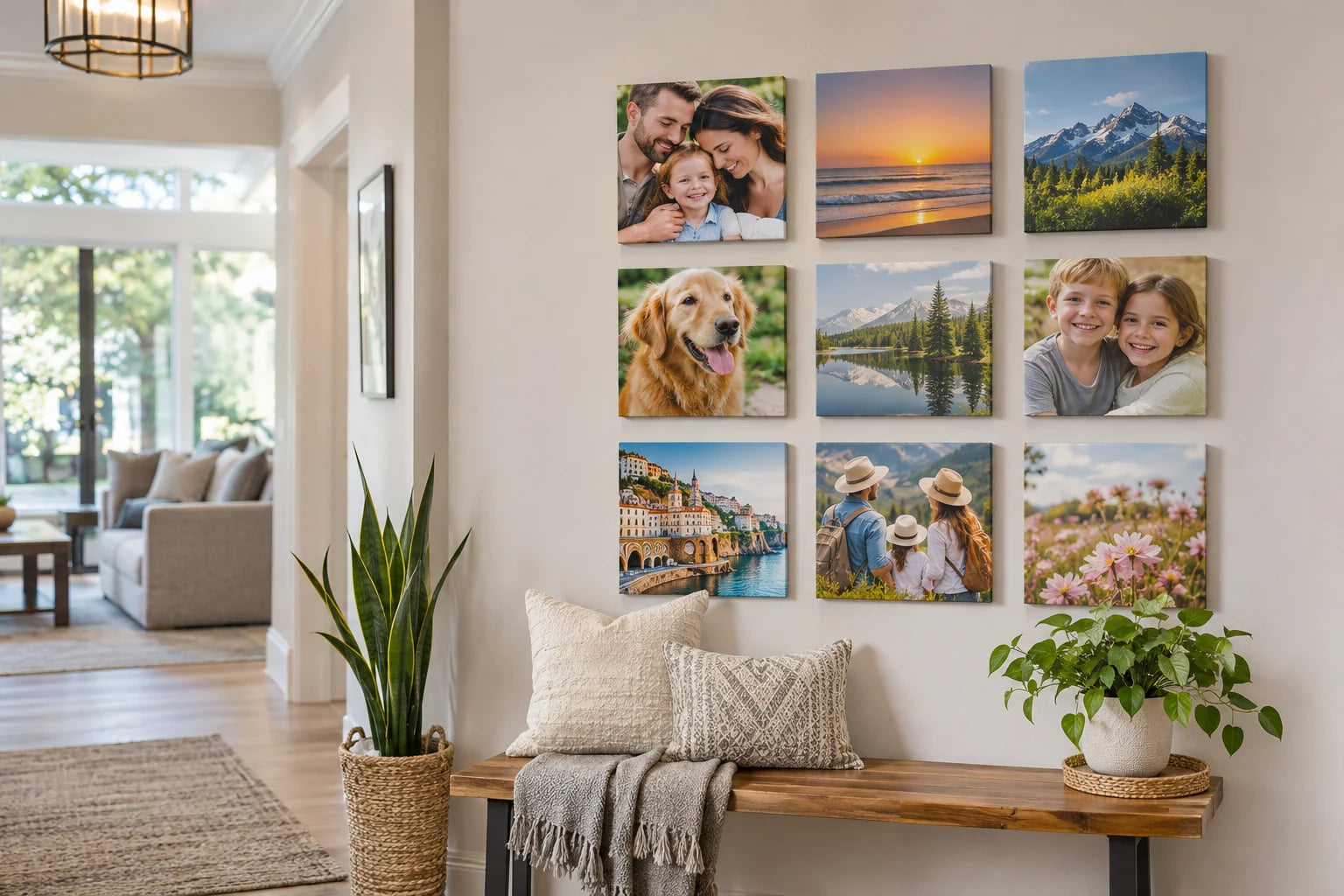
Create a wall display that feels like home.
Use meaning, scale, spacing and light to build a display you will enjoy every day.
Read the decorating guideArticles & ideas
Browse ideas by room, color or subject, then open the complete decorating guide.
August 13, 2025
Transform Your Balcony: 6 Cutting-Edge Railing Designs for Modern Homes
Balconies have forever been cherished as serene sanctuaries, places where one may savor tranquil moments or engage in silent communion with the...
Read article
 August 13, 2025
Elevate Your Space: 9 Stylish Bedroom Designs That Blend Elegance and Energy
Bedrooms are intimate sanctuaries that mirror the depths of one’s narrative, where aesthetics entwine with emotion to create spaces of reprieve, restoration,...
Read article
 August 13, 2025
Organized & Elegant: 8 Dressing Tables with Storage for a Neat Bedroom
In the ever-shifting panorama of interior sanctuaries, the dressing table has undergone a remarkable metamorphosis. Once a humble assemblage of a mirror...
Read article
 August 13, 2025
10 Whimsical Cottage Design Ideas That Will Make Your Home Feel Like a Fairytale
In an era dominated by relentless urban expansion and the ceaseless tempo of modern existence, the yearning for a quaint cottage nestled...
Read article
 August 13, 2025
Get Inspired by French Elegance: Interior Design Ideas for a Chic Home
The aura enveloping French interiors emanates a rarefied blend of history, culture, and a cultivated sense of refinement that has undergone a...
Read article
August 13, 2025
Transform Your Small Master Bedroom into a Cozy Retreat with These 6 Ideas
Small master bedrooms hold an ineffable charm — intimate enclaves where tranquility reigns, offering a refuge from the relentless cadence of modern...
Read article
Decorating guide
How to Create a Wall Display That Feels Like Home
A wall can hold more than decoration. It can make a room feel calm, bring your favorite colors into focus, or keep the people and places you love close to everyday life.
Read more Read less
Begin with the feeling you want in the room
Before you choose a subject or color, think about the way the room is used. A living room might welcome something expressive that sparks conversation. A bedroom may feel better with gentler colors and a slower visual rhythm. An office could benefit from a composition that draws the eye without demanding attention all day.
Choose three words that describe the atmosphere you want, such as warm, open and relaxed. Keep those words nearby while you browse pictures. They offer a more reliable starting point than trying to follow every new decorating trend. If a picture makes you want to spend time in that space, it is already doing something valuable.
Choose a focal point instead of filling every inch
One strong image can give a room a clear center. A larger composition above a sofa, desk or console can connect the furniture to the surrounding wall. In a busier space, a smaller, carefully placed picture may be more effective because the eye has somewhere to rest.
Notice what already competes for attention: a patterned rug, colorful curtains, open shelves or a dramatic light fixture. When these elements are prominent, calmer artwork can create balance. When the room is simple, a bolder image can add movement. Negative space is part of the display, not an area that needs to be covered.
Think about proportion before exact measurements
Look first at the relationship between the artwork and the furniture nearby. A narrow piece may seem lost above a wide sofa, while an oversized display can make a small table feel crowded. A useful visual test is to mark the approximate outline on the wall with removable paper or another temporary guide, then step back and see how it feels.
For a grouped display, treat the collection as one composition. Its overall width and height matter more than the size of any single picture. Keep enough margin around the group for the wall and surrounding furniture to remain visible. A few centimeters of extra breathing room can make even a simple arrangement feel more intentional.
Use color to connect the artwork to the space
The pictures do not need to match the room exactly. Instead, look for one or two colors that speak to something already there: a muted blue in a cushion, a warm beige in the wood, or a deep green in a plant. Repeating a color once or twice gives the display a sense of belonging without making everything look the same.
Contrast can work just as well. Dark artwork can bring definition to a pale wall; a light composition can create relief in a richly colored room. If you are unsure, try looking at the pictures together in natural daylight and again when the room lights are on. The same colors can feel surprisingly different as the light changes.
Build a visual story with subjects that matter to you
A display often becomes more memorable when it reflects an interest or experience. It might bring together a landscape that reminds you of a trip, a favorite abstract composition, family photographs, or a group of botanical shapes. The subjects do not have to be identical to feel related.
Look for a thread that connects them. It could be a shared palette, repeated lines, a similar sense of movement or simply the feeling each image evokes. A mix of personal photographs and decorative artwork can also be compelling when their tones and spacing are considered as one arrangement. The goal is a wall that feels collected, not one that looks assembled by a formula.
Give a gallery arrangement a clear rhythm
For a neat, quiet effect, begin with a grid. Keeping the spaces between pictures consistent gives different images a common structure. If you prefer a more relaxed look, start with a central picture and arrange smaller ones around it. Try to keep the visual weight balanced, even when the sizes and orientations vary.
Lay the arrangement out on the floor or make a simple paper sketch first. Move pieces around until the spacing feels natural. Check the edges of the group as well as the spaces in between. When you are satisfied, place the composition on the wall at a height that is comfortable to view from the positions where people actually spend time.
Consider the room from more than one viewpoint
A display that looks perfect when you stand directly in front of it may feel different from the doorway, the sofa or a nearby dining chair. Walk through the space and notice the angles at which the pictures will be seen most often. The furniture, doors and windows can all affect the perceived balance.
Lighting matters too. Strong direct sunlight can create glare and alter the way colors appear throughout the day. A soft pool of light can highlight an artwork without drawing attention to every nearby object. When choosing a location, consider how reflections, shadows and changing daylight will affect your enjoyment of the display.
Keep the surrounding details simple
Artwork looks more considered when the area around it has a little visual order. That does not mean removing every personal object. A favorite vase, stack of books or small plant can work beautifully with the wall when there is a relationship in color, shape or material.
Try removing one nearby object and stepping back. If the wall immediately feels calmer, the display may already have enough to say. On the other hand, a shelf with meaningful objects can make a quiet composition more personal. Adjust the balance until your eye moves comfortably between the pictures and the rest of the room.
Let your wall change as your life changes
A home does not need to be finished all at once. Start with a picture or arrangement you genuinely enjoy and live with it for a little while. You may discover that the room calls for one more image, a different grouping or simply more open space. Small changes can refresh a display without starting again.
Most importantly, choose for your own everyday view. The best wall displays are not always the most elaborate. They are the ones that make a space feel familiar, considered and unmistakably yours. Begin with an image you love, give it room to breathe, and let the rest of the arrangement follow naturally.