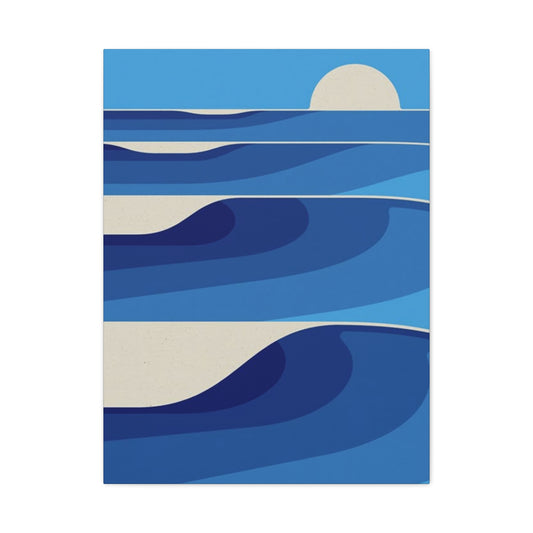
Complete Guide to Painting Wall Art: Transform Your Space with Creative Expression
Painting wall art represents one of the most transformative and accessible ways to personalize your living space. This comprehensive guide explores every aspect of creating stunning painted artwork that reflects your unique style while enhancing your home's aesthetic appeal. From selecting the perfect materials to mastering various painting methodologies, we'll journey through the fascinating world of wall art creation.
The art of painting decorative pieces for walls has evolved tremendously over recent decades. What once required extensive artistic training now welcomes enthusiasts of all skill levels. Contemporary approaches emphasize personal expression over technical perfection, making this creative pursuit increasingly popular among homeowners seeking distinctive decor solutions.
Modern painting wall art encompasses diverse styles, from minimalist geometric patterns to elaborate textural compositions. The flexibility of this medium allows creators to experiment with colors, textures, and forms while working within their personal aesthetic preferences. Whether you're drawn to abstract expressionism, botanical motifs, or contemporary minimalism, painting wall art offers unlimited possibilities for creative exploration.
Understanding the Fundamentals of Painted Wall Decorations
Creating exceptional painted wall decorations begins with understanding the core principles that govern visual composition. Color theory forms the foundation of effective artwork, influencing how viewers perceive and emotionally respond to your creations. Warm colors like reds, oranges, and yellows create energy and intimacy, while cool blues, greens, and purples promote tranquility and spaciousness.
The psychological impact of color choices cannot be understated when designing painted wall art. Research demonstrates that specific color combinations can influence mood, productivity, and overall well-being within living spaces. This knowledge empowers artists to create pieces that not only beautify their environment but also contribute to their desired atmospheric goals.
Composition principles guide the arrangement of visual elements within your painted artwork. The rule of thirds suggests dividing your canvas into nine equal sections, placing important elements along these lines or at their intersections. However, contemporary wall art often challenges traditional compositional rules, embracing asymmetry and unexpected focal points to create more dynamic visual experiences.
Texture adds dimensional interest to painted wall art, transforming flat surfaces into tactile experiences that invite closer inspection. Various texturing methods, from palette knife work to sponge dabbing, create unique surface qualities that enhance light reflection and shadow play. These textural elements can make smaller spaces feel more intimate while adding visual weight to larger compositions.
Scale considerations play a crucial role in painted wall art effectiveness. Oversized pieces can dominate smaller rooms, while tiny artworks may disappear in expansive spaces. Understanding the relationship between artwork dimensions and room proportions ensures your painted creations enhance rather than overwhelm their intended environment.
Essential Materials and Tools for Wall Art Painting
Selecting appropriate materials forms the cornerstone of successful painted wall art projects. Canvas remains the most popular substrate choice, offering excellent paint adhesion and long-term durability. Stretched canvases provide convenient ready-to-paint surfaces, while canvas boards offer more affordable alternatives for experimental projects or large-scale installations.
Acrylic paints dominate contemporary wall art creation due to their versatility, quick-drying properties, and minimal odor emission. These water-based mediums clean up easily, making them ideal for home studios and living spaces. Quality acrylic paints maintain color vibrancy over time while offering excellent coverage and blending capabilities.
Professional-grade brushes significantly impact painting results, with natural bristle brushes excelling for oil-based mediums and synthetic brushes performing optimally with acrylics. Flat brushes create bold, geometric strokes, while round brushes offer more organic, flowing lines. Palette knives provide alternative mark-making tools for creating textured surfaces and dramatic color mixing effects.
Palette selection influences color mixing efficiency and paint conservation. Traditional wooden palettes suit oil painting, while disposable paper palettes or glass surfaces work well for acrylics. Stay-wet palettes extend acrylic working time by maintaining moisture, allowing for more gradual blending and extended painting sessions.
Protective equipment ensures safe and comfortable painting experiences. Aprons or old clothing protect against paint splatters, while good ventilation prevents fume accumulation. Non-slip mats provide stable footing, particularly important when working on larger canvases or standing for extended periods.
Color Theory and Palette Selection for Painted Artwork
Mastering color relationships elevates painted wall art from amateur attempts to sophisticated compositions. Primary colors—red, blue, and yellow—cannot be created by mixing other colors, serving as the foundation for all other hues. Secondary colors emerge from primary combinations, while tertiary colors result from mixing primary and secondary hues.
Analogous color schemes utilize colors adjacent on the color wheel, creating harmonious and soothing compositions perfect for bedrooms and relaxation spaces. These combinations, such as blues and greens or reds and oranges, provide natural flow and visual unity throughout painted artwork.
Complementary colors sit opposite each other on the color wheel, creating dynamic contrast and visual excitement when used together. Red and green, blue and orange, or yellow and purple combinations generate vibrant energy suitable for accent walls and statement pieces. However, using complementary colors requires careful balance to avoid overwhelming compositions.
Monochromatic schemes explore variations within a single color family, utilizing different saturations and values to create subtle yet sophisticated artwork. These approaches work particularly well in minimalist interiors where painted wall art should enhance rather than compete with existing design elements.
Neutral palettes incorporating grays, beiges, and muted tones provide timeless appeal and versatility. These sophisticated combinations complement various interior styles while allowing other design elements to take center stage. Neutral painted wall art serves as excellent foundational pieces that adapt to changing decor preferences.
Temperature considerations affect how colors interact within painted compositions. Warm colors advance visually, appearing closer to viewers, while cool colors recede, creating depth and spatial illusion. Strategic temperature usage can make small rooms feel larger or create intimate focal points within expansive spaces.
Preparing Your Workspace for Painting Wall Art
Establishing an organized, well-equipped workspace enhances both painting enjoyment and results quality. Adequate lighting prevents color distortion and reduces eye strain during detailed work. Natural north-facing light provides consistent illumination throughout the day, while full-spectrum LED fixtures offer reliable artificial alternatives.
Ventilation requirements vary depending on paint types and mediums used. Water-based acrylics produce minimal fumes but still benefit from fresh air circulation. Oil-based paints and solvents require more substantial ventilation systems to prevent harmful vapor accumulation and ensure painter safety.
Surface protection preserves floors and furniture from paint accidents. Canvas drop cloths provide durable, reusable coverage, while plastic sheeting offers economical disposable protection. Newspaper works for minor projects but may allow paint seepage during extended sessions.
Storage solutions keep materials organized and easily accessible. Rolling carts accommodate paints, brushes, and supplies while moving freely around workspace areas. Pegboard systems maximize vertical space for hanging tools and supplies. Clear containers allow quick identification of stored materials.
Easel selection depends on artwork size, painting style, and available space. Tabletop easels suit smaller canvases and detailed work, while floor-standing easels accommodate larger pieces and provide greater stability. Adjustable easels offer versatility for various canvas sizes and working angles.
Exploring Different Painting Styles for Wall Art
Abstract expressionism encourages emotional and spontaneous paint application, creating dynamic compositions that emphasize color and form over representational accuracy. This style welcomes experimentation and personal interpretation, making it particularly appealing for beginning artists who may feel intimidated by realistic representation requirements.
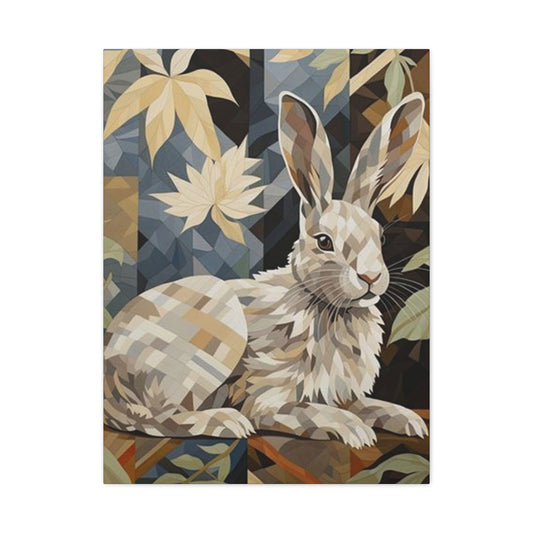
Geometric abstraction focuses on precise shapes, clean lines, and mathematical relationships between visual elements. This approach produces sophisticated, contemporary artwork that complements modern interior design. Masking tape and rulers ensure crisp edges and accurate proportions in geometric compositions.
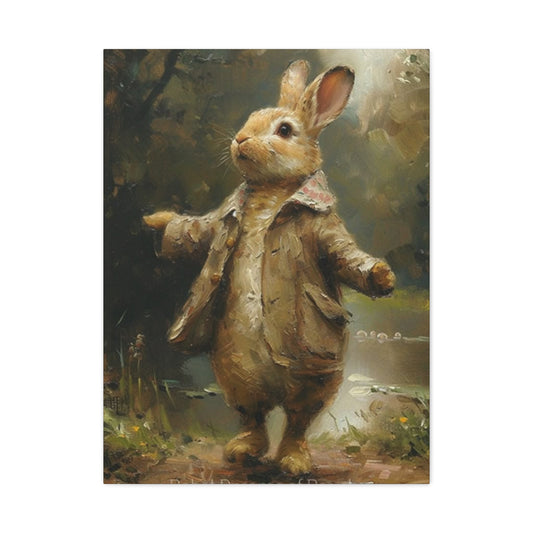
Impressionistic approaches emphasize light, atmosphere, and fleeting moments rather than precise details. Loose brushwork and visible paint strokes create lively surface textures that catch and reflect light beautifully. These painted wall art pieces bring warmth and movement to static interior environments.
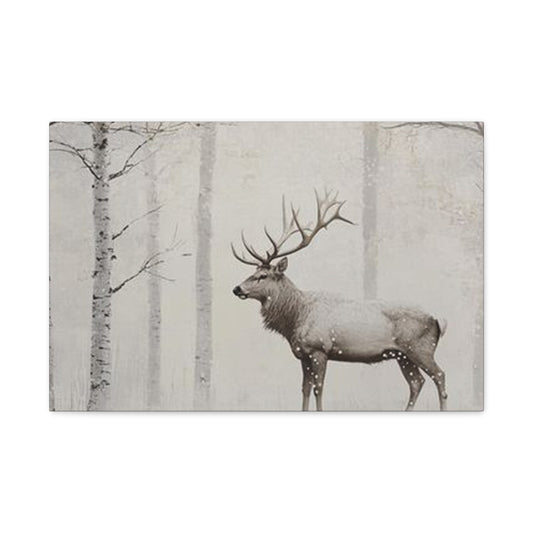
Minimalist painting reduces compositions to essential elements, embracing simplicity and negative space. These restrained approaches create serene, contemplative artwork that enhances rather than dominates room aesthetics. Minimalist painted wall art particularly suits contemporary and Scandinavian interior styles.
Mixed media combinations incorporate various materials and mediums within single compositions. Collage elements, textural materials, or found objects can be integrated with traditional paint applications to create unique, personalized artwork. These eclectic approaches reflect individual creativity and personal narrative.
Contemporary realism updates traditional representational painting with modern subjects and sensibilities. This approach might focus on everyday objects, urban landscapes, or personal photographs as inspiration for painted wall art. Photorealistic rendering requires more developed skills but produces striking, conversation-starting pieces.
Surface Preparation for Optimal Paint Adhesion
Proper surface preparation ensures paint adhesion longevity and prevents premature artwork deterioration. Raw canvas requires priming with gesso to create uniform paint absorption and prevent support deterioration. Pre-primed canvases offer convenience but may benefit from additional gesso coats for optimal paint retention.
Sanding smooth surfaces creates microscopic texture that enhances paint grip. Fine-grit sandpaper gently roughens glossy or sealed surfaces without creating visible scratches. This preparation step proves particularly important when painting over existing artwork or repurposing materials for wall art projects.
Cleaning removes dust, oils, and contaminants that interfere with paint adhesion. Tack cloths effectively remove sanding residue, while degreasing agents eliminate fingerprints and handling oils. Allow surfaces to dry completely before applying primer or paint layers.
Primer selection depends on substrate material and intended paint type. Acrylic primers work well for most surfaces and provide excellent adhesion for water-based paints. Specialized primers address specific challenges like metal rust prevention or stain blocking on recycled materials.
Multiple thin primer coats create better foundations than single thick applications. Allow each coat to dry completely before applying subsequent layers. Sand lightly between coats to eliminate brush marks and create perfectly smooth painting surfaces.
Basic Painting Techniques for Wall Art Creation
Flat washes create uniform color fields perfect for backgrounds and foundational layers. Load brushes with adequate paint and maintain consistent pressure while applying smooth, overlapping strokes. Work quickly to prevent visible dry lines and maintain wet edges for seamless blending.
Dry brush techniques produce textured, weathered effects by using minimal paint on brush bristles. This approach creates organic, natural-looking surfaces particularly effective for landscape elements or aged appearance effects. Control paint amount carefully to achieve desired texture intensity.
Wet-on-wet blending allows colors to merge naturally while both remain workable. This approach produces soft gradations and atmospheric effects impossible to achieve with dry paint applications. Work quickly to take advantage of extended blending time before paint sets.
Scumbling involves dragging dry brushes loaded with opaque paint over previously dried layers, creating broken color effects and textural interest. This broken-color approach adds complexity and depth to painted compositions while maintaining underlying color influences.
Glazing applies transparent or semi-transparent paint layers over dried base colors, creating luminous depth and color modifications. Multiple glaze layers build complex color relationships while maintaining underlying detail visibility. This approach particularly suits creating atmospheric effects and color temperature adjustments.
Impasto techniques apply paint thickly, creating three-dimensional surface textures that catch and reflect light dramatically. Palette knives excel for impasto work, creating bold, expressive mark-making that adds physical dimension to painted wall art compositions.
Creating Texture and Dimension in Painted Wall Art
Additive texturing incorporates materials like sand, modeling paste, or fabric into wet paint, creating physical surface variations. These additions must be compatible with chosen paint types to ensure adhesion and longevity. Experiment with different materials to discover unique textural effects.
Subtractive texturing removes paint from wet surfaces using combs, sponges, or other tools to reveal underlying colors or create patterns. This approach works particularly well for creating wood grain, fabric textures, or organic surface variations in painted artwork.
Stamping and printing techniques use found objects or carved materials to create repeated patterns and textures. Natural materials like leaves, bark, or shells provide organic impressions, while manufactured items create more geometric or industrial effects. These approaches add visual interest while maintaining compositional unity.
Sgraffito involves scratching through wet paint layers to reveal underlying colors, creating linear details and textural contrasts. Various tools from palette knives to toothpicks create different line qualities and effects. This approach works particularly well for adding details to wet paint applications.
Frottage techniques transfer textures from underlying surfaces by rubbing paint over textured materials. Place canvas over textured surfaces and rub with paint-loaded tools to capture surface details. This approach creates unexpected textures and patterns for incorporation into larger compositions.
Masking techniques preserve specific areas while applying texture to surrounding regions. Stencils, tape, or liquid masking create precise boundaries for textural applications. Remove masking materials while paint remains slightly wet to prevent edge lifting and ensure clean separations.
Color Mixing and Blending Methods
Understanding pigment behavior enables more effective color mixing and prevents muddy or undesirable color combinations. Some pigments possess strong tinting strength, requiring minimal quantities to influence mixtures, while others contribute subtle color modifications. Keep detailed notes about successful color recipes for future reference.
Optical mixing occurs when small areas of pure color appear to blend when viewed from appropriate distances. Pointillist approaches apply small dots or strokes of pure color that combine visually rather than physically. This approach creates vibrant, luminous effects impossible through physical color mixing.
Wet palette techniques maintain acrylic paint workability for extended periods, allowing more time for careful color mixing and blending. Commercial wet palettes or homemade versions using damp paper and plastic containers prevent premature paint drying during extended painting sessions.
Color temperature mixing creates more realistic and sophisticated color relationships. Adding tiny amounts of complementary colors to mixtures creates more natural, less artificial-looking colors. These subtle temperature shifts produce more convincing and visually appealing painted wall art.
Gradation techniques create smooth color transitions between different hues or values. These approaches work particularly well for sky effects, water reflections, or subtle atmospheric backgrounds. Practice gradual color shifts to master smooth blending without visible transition lines.
Broken color techniques maintain individual color identity while creating overall color impressions. Rather than completely mixing colors on palettes, apply related colors in close proximity, allowing viewers' eyes to perform optical mixing. This approach creates more vibrant and lively color effects.
Compositional Principles for Effective Wall Art
Visual balance distributes compositional weight throughout painted artwork, creating stable and pleasing arrangements. Symmetrical balance creates formal, traditional compositions, while asymmetrical balance produces more dynamic and contemporary effects. Consider both color intensity and shape sizes when establishing compositional balance.
Focal point creation directs viewer attention to specific compositional areas through contrast, color, or detail concentration. Effective focal points prevent viewers from wandering aimlessly through compositions while providing clear visual entry points. Avoid creating competing focal points that confuse or divide viewer attention.
Rhythm and movement guide viewers' eyes through painted compositions using repeated elements, directional lines, or color progressions. These visual paths create dynamic energy and prevent static, lifeless artwork. Consider how brushstrokes, shapes, and colors contribute to overall compositional flow.
Unity and variety balance cohesive design elements with interesting variations that maintain viewer engagement. Too much unity creates boring, predictable artwork, while excessive variety produces chaotic, confusing compositions. Achieve optimal balance through careful consideration of color relationships, shape repetitions, and surface treatments.
Proportion relationships between compositional elements affect overall visual harmony and impact. Golden ratio principles provide mathematical foundations for pleasing proportional relationships, though contemporary artwork often deliberately challenges traditional proportional expectations to create more dynamic effects.
Negative space utilization enhances positive elements while providing visual rest areas within compositions. Well-planned negative spaces prevent overwhelming busy-ness while contributing to overall compositional strength. Consider negative space shapes as carefully as positive elements during planning stages.
Planning and Sketching Your Wall Art Design
Thumbnail sketches explore compositional possibilities quickly and economically before committing to final artwork. These small, simple drawings focus on basic value patterns and major shape relationships rather than detailed rendering. Create multiple thumbnails to compare different compositional approaches.
Value studies establish light and dark patterns that create strong compositional foundations. Working in grayscale eliminates color distractions, allowing focus on essential tonal relationships. Strong value patterns remain effective even when color is introduced, ensuring compositional success.
Color studies explore palette relationships and atmospheric effects before beginning final paintings. Small color sketches test color combinations, temperature relationships, and overall color harmony. These preliminary studies prevent costly mistakes and guide confident paint application during final artwork creation.
Reference material gathering provides inspiration and information for painted wall art subjects. Photographs, sketches, or collected objects offer starting points for creative interpretation rather than literal copying. Combine multiple references to create unique, personalized compositions.
Scale considerations affect both compositional impact and practical creation requirements. Large-scale artwork creates dramatic focal points but requires more materials and workspace. Smaller pieces allow for detailed work and easier handling but may lack sufficient presence in larger rooms.
Transfer methods move refined sketches to final painting surfaces accurately while preserving spontaneity. Grid methods, projectors, or carbon transfer papers each offer different advantages depending on artwork complexity and accuracy requirements. Choose transfer methods that preserve creative energy rather than creating mechanical copying.
Working with Different Canvas Sizes and Formats
Small format paintings offer intimate viewing experiences and suit detailed, contemplative subjects. These pieces work well in groupings or gallery walls, allowing multiple related works to create larger visual impacts. Small canvases require less material investment and provide excellent opportunities for experimentation.
Medium format canvases balance detail possibilities with room presence, offering versatility for various subjects and spaces. These sizes accommodate both intimate subjects and broader compositional concepts while remaining manageable for most workspace limitations and skill levels.
Large format paintings create dramatic focal points and allow for bold, expressive mark-making impossible on smaller surfaces. These ambitious projects require more materials, workspace, and physical endurance but produce impressive results that command attention and respect.
Horizontal formats emphasize landscape subjects, architectural elements, or panoramic views. These orientations create sense of breadth and openness, particularly effective for rooms where width expansion is desired. Horizontal paintings complement furniture arrangements and architectural features.
Vertical formats suit portrait subjects, architectural details, or subjects emphasizing height and grandeur. These orientations draw eyes upward, creating impressions of height and elegance. Vertical paintings work particularly well in narrow spaces or above tall furniture pieces.
Square formats provide balanced, stable compositions that work well for abstract subjects or centered focal points. These neutral orientations avoid directional bias, allowing subject matter and compositional elements to establish visual flow. Square paintings offer contemporary alternatives to traditional rectangular formats.
Developing Personal Style in Wall Art Painting
Style emergence occurs through consistent exploration of preferred subjects, color palettes, and mark-making approaches. Rather than forcing artificial stylistic decisions, allow personal preferences to guide natural style evolution. Document successful approaches and analyze what makes them personally satisfying.
Influence integration involves studying admired artists while maintaining individual creative voice. Analyze how successful artists handle color, composition, and surface treatment, then adapt these insights to personal artistic goals. Avoid copying while embracing learning from accomplished practitioners.
Experimentation periods encourage artistic growth through exploration of unfamiliar approaches, materials, or subjects. Set aside dedicated time for pure experimentation without pressure for finished results. These explorative sessions often produce unexpected insights and stylistic breakthroughs.
Subject matter preferences often reveal underlying artistic interests and natural stylistic directions. Whether drawn to landscapes, abstracts, or still life subjects, consistent subject preferences indicate developing artistic identity. Embrace these inclinations while remaining open to occasional departures.
Technical facility development supports stylistic expression through improved mark-making ability and material handling. Regular practice with fundamental skills like color mixing, brushwork, and composition provides tools for more sophisticated stylistic expression. Technical growth enables rather than restricts creative expression.
Personal narrative integration infuses painted wall art with individual meaning and emotional resonance. Consider how personal experiences, interests, and values might influence artistic choices. Authentic personal connection produces more compelling and distinctive artwork than purely decorative approaches.
Advanced Painting Methods for Sophisticated Wall Art
Glazing layers build complex color relationships through transparent paint applications over dried base layers. Each glaze modifies underlying colors while maintaining transparency, creating luminous depth impossible through direct painting approaches. Plan glaze sequences carefully to achieve desired color effects.
Scumbling techniques create broken color effects by dragging dry brushes with opaque paint over textured surfaces. This approach produces vibrant color mixing effects while maintaining individual color identity. Vary pressure and brush loading to control scumbling intensity and coverage.
Alla prima painting completes entire compositions in single sessions while paint remains wet throughout. This direct approach encourages bold, confident mark-making and prevents overworking. Success requires careful planning and decisive paint application to maintain freshness and spontaneity.
Underpainting establishes compositional foundations through initial paint layers that influence all subsequent applications. Traditional brown underpainting creates warm, unified color effects, while colored underpainting provides specific atmospheric influences. Plan underpainting colors to support intended final color schemes.
Palette knife painting creates distinctive mark-making effects impossible with brush work. These tools produce sharp, crisp edges and thick paint applications that catch light dramatically. Palette knives excel for bold, expressive passages and textural surface treatments.
Mixed media integration combines traditional painting with collage, drawing, or found materials to create unique artistic expressions. These combinations require careful consideration of material compatibility and longevity. Plan mixed media elements during initial compositional stages for optimal integration.
Creating Series and Collections of Related Artwork
Thematic consistency unifies multiple painted wall art pieces through shared subjects, color palettes, or conceptual approaches. Series development allows exploration of variations within established parameters, creating cohesive collections suitable for gallery walls or room groupings.
Size variations within series maintain visual interest while preserving thematic unity. Combine larger focal pieces with smaller supporting works to create dynamic arrangements. Consider how different sizes contribute to overall wall composition when planning series elements.
Color progression throughout series creates visual flow and development across multiple pieces. Gradual color shifts or consistent color relationships maintain unity while providing variation. Plan color relationships during initial series conception to ensure successful collective impact.
Seasonal themes provide natural frameworks for series development, allowing exploration of changing light, color, and atmospheric conditions. These cyclical approaches can extend indefinitely while maintaining fresh subject matter and seasonal relevance for home decoration.
Abstract series explore formal relationships between color, shape, and composition without representational constraints. These approaches allow pure focus on design elements and personal expression while maintaining series coherency through consistent visual vocabulary.
Documentary approaches record specific places, objects, or experiences through multiple related paintings. These personal narratives create meaningful collections that reflect individual interests and experiences while providing ongoing artistic challenges and growth opportunities.
Displaying and Arranging Painted Wall Art
Gallery wall arrangements combine multiple pieces to create larger visual impacts than individual artworks achieve alone. Plan arrangements on floor before hanging to experiment with spacing and relationships. Maintain consistent spacing between pieces for professional appearance.
Lighting considerations dramatically affect painted wall art appearance and impact. Natural light provides optimal color rendering but varies throughout day and seasons. Consistent artificial lighting ensures stable appearance while allowing evening enjoyment of artwork colors and details.
Height placement affects viewer engagement and room proportion relationships. Standard gallery height places artwork centers at eye level, approximately 57 inches from floor. Adjust heights for furniture relationships and room scale while maintaining comfortable viewing angles.
Grouping principles create coherent arrangements from multiple painted wall art pieces. Relate pieces through color, subject matter, or size while maintaining some variation for interest. Odd-numbered groupings often appear more natural and dynamic than even-numbered arrangements.
Room integration ensures painted wall art enhances rather than competes with existing interior design elements. Consider color relationships with furniture, fabrics, and architectural features. Choose artwork that complements room functions and desired atmospheric qualities.
Protection measures preserve painted wall art from environmental damage and deterioration. Avoid direct sunlight exposure that fades colors over time. Maintain stable humidity and temperature to prevent canvas expansion and contraction that can crack paint layers.
Maintenance and Preservation of Painted Artwork
Cleaning protocols preserve painted wall art appearance without causing damage to paint layers or surfaces. Dust removal with soft brushes or microfiber cloths maintains surface clarity. Avoid wet cleaning unless specifically required and use appropriate solvents for paint types.
Environmental control prevents damage from humidity fluctuations, temperature extremes, and pollutant exposure. Stable conditions prevent canvas movement and paint layer stress. Consider room ventilation and humidity control for valuable or sentimental painted artwork.
Storage solutions protect painted wall art during moves or rotation periods. Wrap canvases in acid-free materials and store vertically with adequate spacing. Avoid basement or attic storage where temperature and humidity fluctuations pose risks to paint layer stability.
Documentation records preserve information about painting processes, materials used, and any restoration work performed. Maintain detailed records including photographs of original condition and any changes over time. This information proves valuable for insurance purposes and future restoration decisions.
Touch-up repairs address minor damage before problems become major restoration requirements. Match original paint colors carefully and use compatible materials for lasting repairs. Consider professional consultation for valuable pieces or extensive damage requiring expert restoration.
Frame selection provides physical protection while enhancing painted wall art presentation. Choose frames that complement artwork without overwhelming compositions. Consider conservation framing with acid-free materials and UV-filtering glass for valuable or sentimental pieces.
Troubleshooting Common Painting Challenges
Color mixing difficulties often result from inadequate understanding of pigment behavior and color theory principles. Keep detailed mixing notes for successful color recipes and practice fundamental color relationships through exercises and studies. Build color knowledge gradually through consistent practice and observation.
Paint consistency problems affect application quality and final appearance. Thin paint with appropriate mediums rather than water alone to maintain binder content and adhesion properties. Thick paint can be thinned gradually while thick applications require palette knife work or brushes specifically designed for heavy paint.
Brushstroke issues include visible marks, uneven coverage, or inappropriate mark quality for intended effects. Match brush selection to desired effects and maintain proper paint consistency for chosen brushwork. Practice fundamental brushwork regularly to develop consistent mark-making abilities.
Composition problems become apparent during painting process when initial planning proves inadequate. Stop painting to reassess compositional relationships rather than continuing with problematic foundations. Consider cropping, adding elements, or major revisions to salvage problematic compositions.
Color harmony failures create muddy, unappealing color relationships that undermine artwork effectiveness. Review color theory principles and practice color mixing exercises regularly. Plan color schemes carefully before beginning paintings and maintain color notes for successful combinations.
Overworking symptoms include loss of freshness, muddy colors, and tight, labored appearance. Recognize when to stop working and allow paintings to rest before making additional changes. Practice decisive mark-making and trust initial instincts rather than constantly revising and refining.
Sustainability in Wall Art Painting
Eco-conscious material selection reduces environmental impact while maintaining artistic quality. Water-based acrylics produce fewer harmful emissions than oil-based alternatives. Choose paints from manufacturers committed to sustainable production practices and reduced packaging waste.
Waste reduction strategies minimize material consumption and disposal requirements. Plan paint quantities carefully to reduce surplus disposal. Save color mixtures in airtight containers for future use and share unused materials with other artists or donate to schools and community programs.
Recycling opportunities exist for many painting materials and substrates. Canvas can be reused by painting over unsuccessful attempts or sanding and repriming surfaces. Plastic containers serve as paint mixing containers while glass jars store medium and solvent materials.
Non-toxic alternatives provide safer studio environments while reducing environmental contamination. Many manufacturers now offer low-VOC or zero-VOC paint formulations with performance characteristics equal to traditional formulations. Research material safety data sheets to make informed choices about studio materials.
Local sourcing reduces transportation environmental costs while supporting regional suppliers. Many areas have art supply stores that stock locally made or regionally distributed materials. Building relationships with local suppliers often provides access to specialized materials and expert advice.
Energy conservation in studio spaces reduces resource consumption while maintaining comfortable working conditions. Efficient lighting systems reduce electricity usage while providing excellent working illumination. Proper insulation and climate control reduce heating and cooling requirements.
Inspiration Sources and Creative Development
Nature observation provides endless inspiration for painted wall art subjects and color relationships. Regular outdoor sketching develops observational skills while building visual libraries of forms, colors, and atmospheric effects. Even urban environments offer rich sources of architectural details, shadow patterns, and color combinations.
Museum visits expose artists to diverse artistic traditions and contemporary approaches while providing opportunities to study successful artwork firsthand. Observe how accomplished artists handle color, composition, and surface treatment. Take notes and sketches for later studio reference.
Photography serves as reference tool and inspiration source, capturing fleeting light effects, interesting compositions, and unusual subjects for later painted interpretation. Develop photography skills to better capture useful reference material while avoiding overly literal copying that stifles creative interpretation.
Travel experiences expose artists to different light qualities, architectural styles, and cultural approaches to color and design. Document these experiences through sketches, notes, and photographs for later studio exploration. Travel inspiration can influence artistic development for years following initial experiences.
Contemporary art exposure through galleries, publications, and online resources keeps artists current with evolving artistic trends and approaches. Study how contemporary artists handle traditional subjects with fresh perspectives and novel approaches to materials and presentation.
Personal experience integration infuses painted wall art with authentic emotional content and individual perspective. Consider how personal relationships, interests, and life experiences might provide unique artistic subject matter or approaches to universal themes.
Building Skills Through Practice and Study
Daily sketching develops observational skills and hand-eye coordination essential for confident painting execution. Carry sketchbooks constantly and draw regularly from life rather than photographs. Focus on capturing essential forms and relationships rather than detailed rendering.
Color studies explore specific color relationships and mixing challenges through focused exercises. Paint color wheels, value scales, and temperature studies to build fundamental color knowledge. Regular color practice develops intuitive understanding of color behavior and mixing strategies.
Master copy exercises provide insight into successful artistic approaches while developing technical skills. Choose admired artworks and attempt careful reproductions focusing on understanding rather than exact duplication. Analyze how masters handled challenging passages and problem areas.
Gesture drawing builds confidence in mark-making and reduces hesitation in paint application. Practice quick, confident strokes that capture essential information without labored detail. Transfer gesture drawing confidence to painting through similar quick, decisive brushwork exercises.
Still life practice provides controlled subjects for exploring lighting, composition, and color relationships. Set up simple arrangements with interesting forms and lighting conditions. Work from life rather than photographs to develop direct observational skills and color sensitivity.
Life drawing sessions develop figure drawing skills while building general observational abilities. Many communities offer life drawing groups or classes that provide model access and social learning environments. Figure drawing skills transfer to all subjects through improved proportion and form understanding.
Creating Cohesive Interior Design with Wall Art
Room analysis determines appropriate artwork scale, color relationships, and stylistic approaches for specific interior environments. Consider existing colors, furniture styles, and architectural features when planning painted wall art. Artwork should enhance rather than compete with room elements.
Style coordination ensures painted wall art complements existing interior design approaches while maintaining individual artistic expression. Contemporary interiors accommodate diverse artistic styles while traditional rooms may require more careful stylistic consideration for successful integration.
Color coordination between painted artwork and interior color schemes creates harmonious environments that feel intentionally designed. Use existing room colors as starting points for artwork color development or choose artwork colors that introduce desired new elements to interior palettes.
Scale relationships between artwork and furniture affect both pieces' effectiveness and room proportion perception. Large furniture pieces support larger artwork while delicate furniture may be overwhelmed by oversized paintings. Consider these relationships during artwork planning stages.
Lighting coordination ensures both artwork and room illumination work together effectively. Position artwork to take advantage of existing lighting while considering additional accent lighting for evening artwork enjoyment. Avoid conflicting light sources that create confusing shadows or color distortion.
Seasonal adaptability allows painted wall art arrangements to change with seasonal interior design updates. Plan artwork collections that can be rotated or rearranged to accommodate seasonal color preferences or holiday decorating while maintaining year-round effectiveness.
Professional Presentation and Documentation
Photography documentation captures painted artwork accurately for portfolio presentation, insurance records, or online sharing. Use consistent lighting and backgrounds for professional presentation while maintaining color accuracy through careful camera settings and post-processing.
Portfolio development showcases artistic growth and stylistic consistency through carefully selected representative works. Organize portfolios chronologically or thematically to demonstrate development while highlighting strongest examples of current artistic abilities.
Artist statements articulate artistic intentions, influences, and working methods for gallery submissions or client presentations. Write clearly about artistic goals and processes without excessive jargon while conveying genuine artistic commitment and seriousness.
Professional framing presentation elevates painted wall art appearance while providing physical protection. Research framing options appropriate for artwork budgets and presentation requirements. Quality framing represents worthwhile investment in artwork presentation and preservation.
Pricing strategies consider time investment, material costs, and local market conditions when selling painted artwork. Research comparable artists and local market conditions while factoring in unique artistic qualities and personal artistic development level.
Exhibition opportunities range from local coffee shops and libraries to formal gallery representation. Start with accessible venues to gain exhibition experience while building confidence and professional presentation skills. Document all exhibition activities for portfolio development.
Innovation and Contemporary Approaches
Mixed media integration expands traditional painting boundaries through incorporation of collage elements, found materials, or unconventional substrates. These approaches require careful consideration of material compatibility and longevity while offering unique creative possibilities.
Experimental substrates move beyond traditional canvas to explore painting possibilities on wood, metal, fabric, or recycled materials. Each substrate presents unique challenges and opportunities for mark-making and color effects. Test substrate preparation methods for optimal paint adhesion and longevity.
Contemporary color approaches challenge traditional color theory through unconventional combinations, fluorescent pigments, or metallic elements. These modern materials expand color possibilities while requiring careful consideration of color relationships and interior design compatibility.
Process documentation through video or photography captures artistic working methods for instructional purposes or social media sharing. Many artists find that documenting their processes helps refine working methods while building online followings interested in artistic processes.
Collaborative projects combine multiple artists' contributions to create unique collective artworks. These projects require clear communication and shared vision while offering opportunities for artistic growth through exposure to different approaches and working methods.
Social media engagement builds audiences for painted artwork while connecting with other artists and potential collectors. Develop consistent posting schedules and authentic artistic voice while sharing both finished works and process documentation to build engaged followings.
Conclusion
Painting wall art represents a deeply rewarding creative pursuit that transforms both personal living spaces and artistic development. Throughout this comprehensive exploration, we've examined the multifaceted nature of creating painted artwork that serves both aesthetic and personal expression purposes. The journey from initial concept to finished wall art involves numerous decisions regarding materials, methods, and artistic approaches, each contributing to the final work's success and personal satisfaction.
The fundamental principles governing effective painted wall art transcend specific techniques or styles, encompassing universal elements like color relationships, compositional balance, and surface quality. These foundations support artistic experimentation and personal style development while ensuring visually compelling results that enhance interior environments. Whether pursuing abstract expressionism, realistic representation, or innovative mixed media approaches, understanding these core principles enables confident creative exploration.
Material selection and proper surface preparation form crucial foundations for painted artwork longevity and appearance. Quality materials justify their investment through superior performance and durability, while appropriate surface preparation ensures optimal paint adhesion and color fidelity. These seemingly technical considerations directly impact artistic outcomes and long-term satisfaction with created works.
The development of personal artistic style emerges through consistent exploration and honest assessment of creative preferences and natural inclinations. Rather than forcing artificial stylistic decisions, successful artists allow authentic artistic voice to emerge through regular practice and thoughtful reflection on successful approaches. This organic development produces more satisfying and distinctive artwork than attempts to imitate others' styles.
Contemporary approaches to painted wall art embrace diverse materials, methods, and presentation strategies that reflect current artistic trends while honoring traditional painting foundations. The integration of sustainable practices, innovative substrates, and documentary approaches demonstrates how classical painting traditions adapt to contemporary concerns and opportunities. These evolving approaches ensure painting remains relevant and vital as an artistic medium.